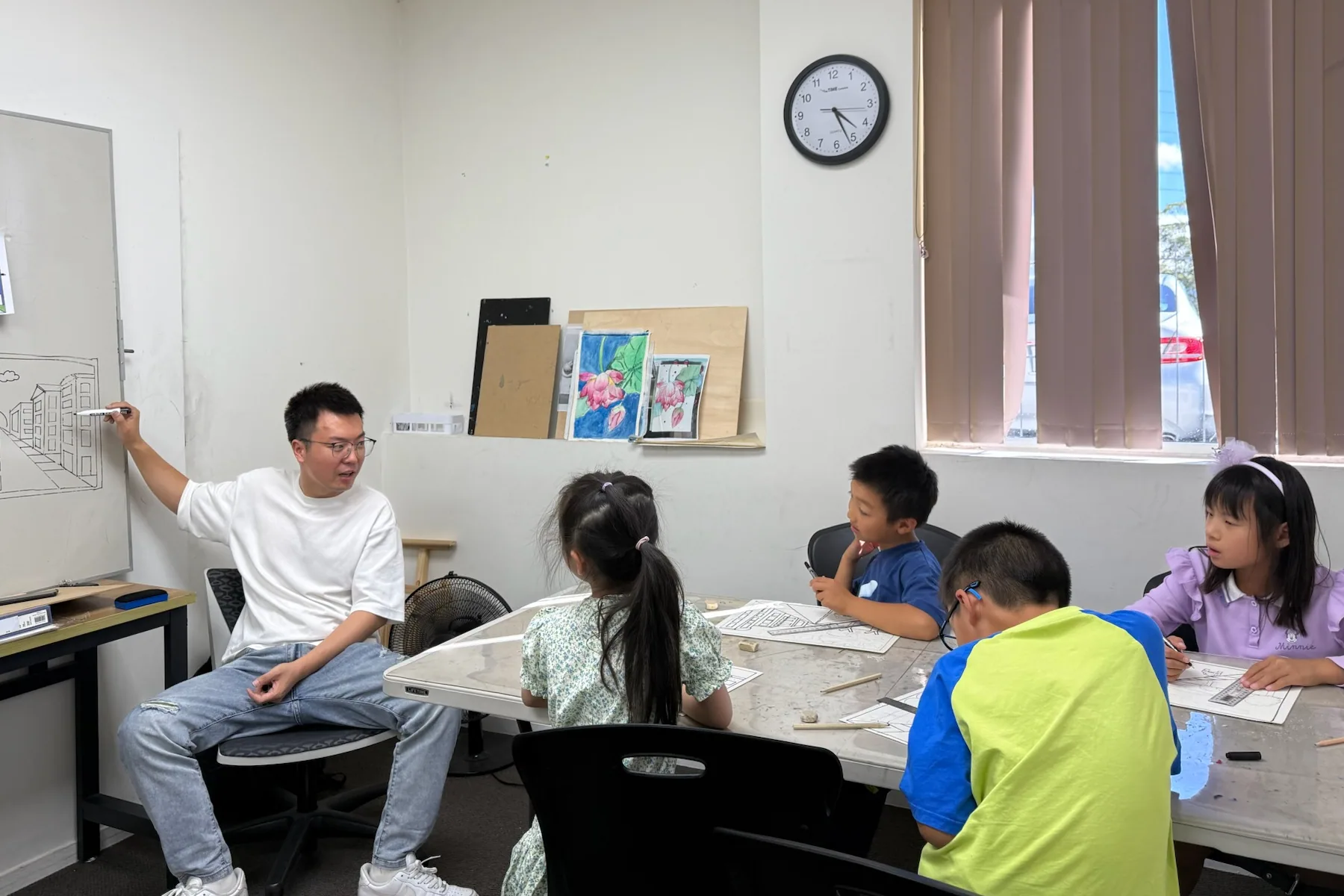
Learners observe, practise, test materials and develop an individual response. Teachers offer demonstration and feedback while learners make their own choices.
Materials and practical details
Depending on the project, materials may include graphite, coloured pencil, paint, paper and mixed media. Days, times, fees and anything to bring are confirmed directly before you attend. An enquiry does not reserve a place.
How learning grows.
These age ranges are a guide. We consider interests and experience before suggesting a current group.
Ages 5–8
A playful start with real drawing and painting.
For children building confidence with art. Explore shape, line, colour and simple observation, then use imagination to make a picture of your own.
Demonstrations and practical guidance help young learners try unfamiliar tools, make choices and stay curious. Beginners can ask about a suitable starting group.
For learners ready to observe closely and develop a picture. Explore proportion, light, colour and composition through drawing, painting and creative projects.
Teachers demonstrate techniques and offer feedback as students sketch, test materials and revise. New learners and those with experience can ask about the right level.
For older learners exploring sustained drawing, painting, portraiture, illustration or a personal project. Ask about structure, tone, colour and visual storytelling.
Technical guidance, observation and feedback support independent choices. Experience varies; we discuss a suitable current group and level of challenge with each family.
Materials and arrangements. Depending on the project, learners may work with graphite, coloured pencil, paint, paper and mixed media. Materials, group placement, times, fees and trial arrangements are confirmed directly before you attend.
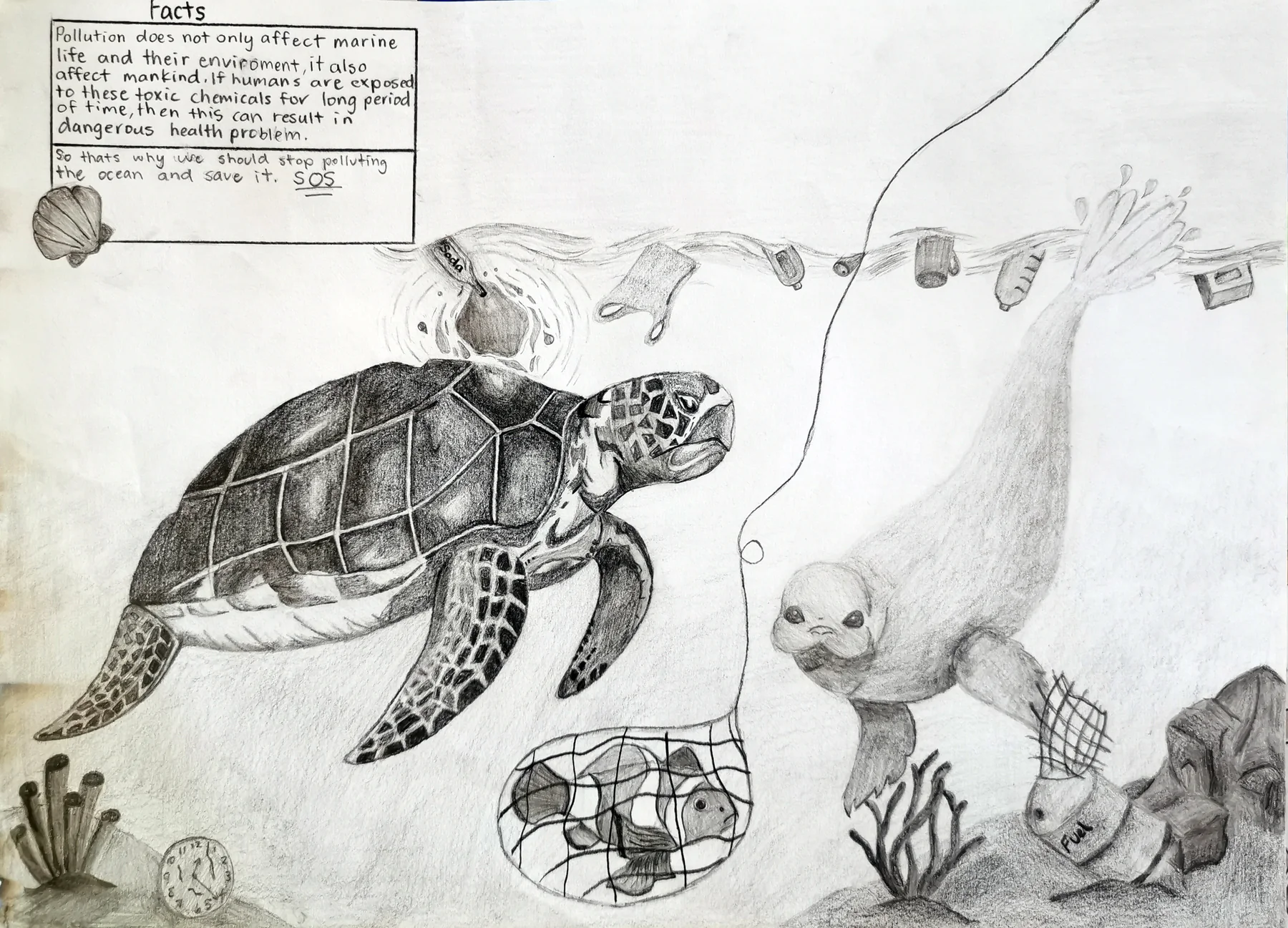
Observation, ideas and graphite · student artwork
Look closely. Think freely.
Shape, proportion, structure, line and tone—then what to emphasise or imagine. Drawing can start with a portrait or an object and become a story, an illustration or a new way to see.
A beginner can ask about an appropriate starting point. Experienced learners can ask for greater technical challenge. Graphite and coloured pencil are visible in current S&A archive work. Other media depend on the confirmed project and class.
Adult drawing & painting.
Make time for art—whether you are picking up a pencil for the first time or returning to a practice you enjoy.
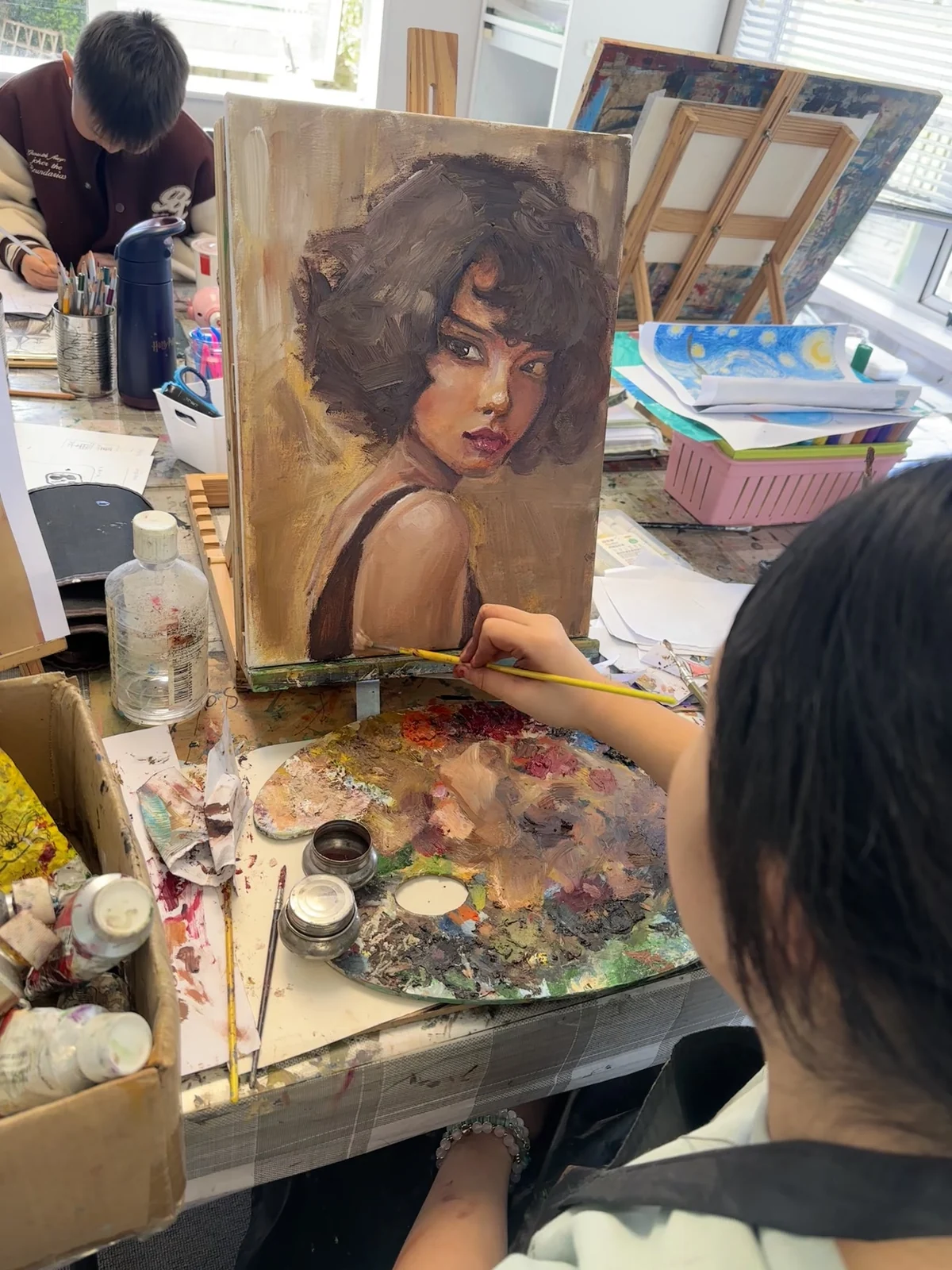
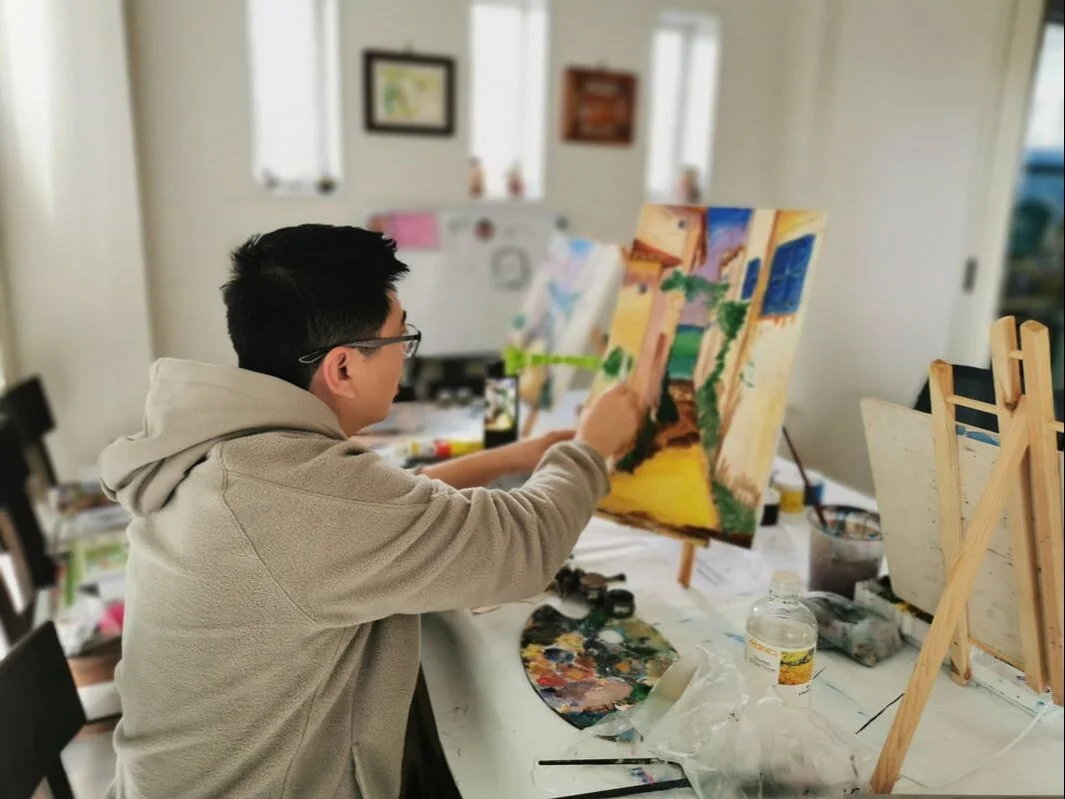
Painting practice at an easel · S&A studio archive
A place to begin or develop.
Explore observation, proportion, light and tone in drawing, or colour, composition and brushwork in painting. A reference or a personal idea can become a focused study or a longer project.
Demonstration, guided practice and individual feedback help you understand techniques and decide what to try next. Graphite, coloured pencil, paint or mixed materials may be relevant; the medium and anything to bring are confirmed with the studio.
Beginners are welcome to enquire. We discuss your interests before confirming a format, dates, fees and availability.
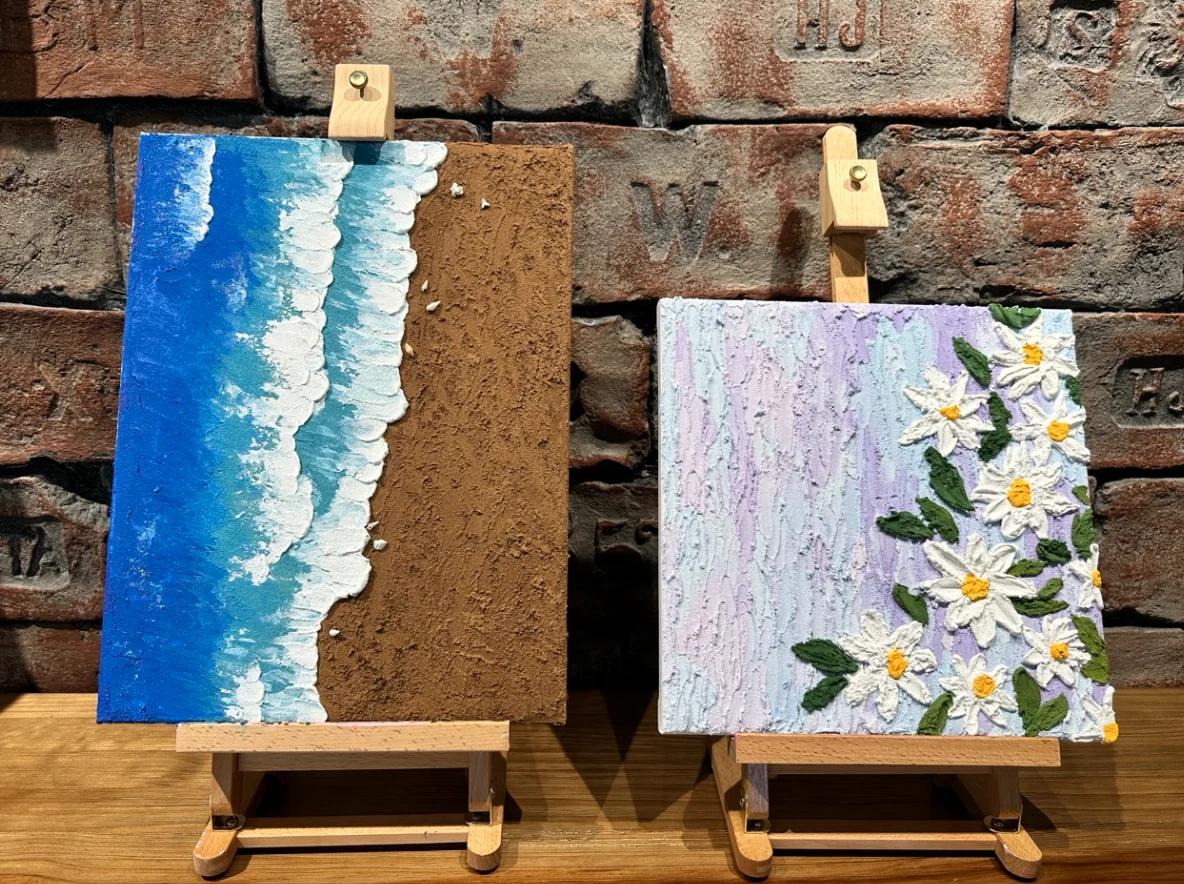
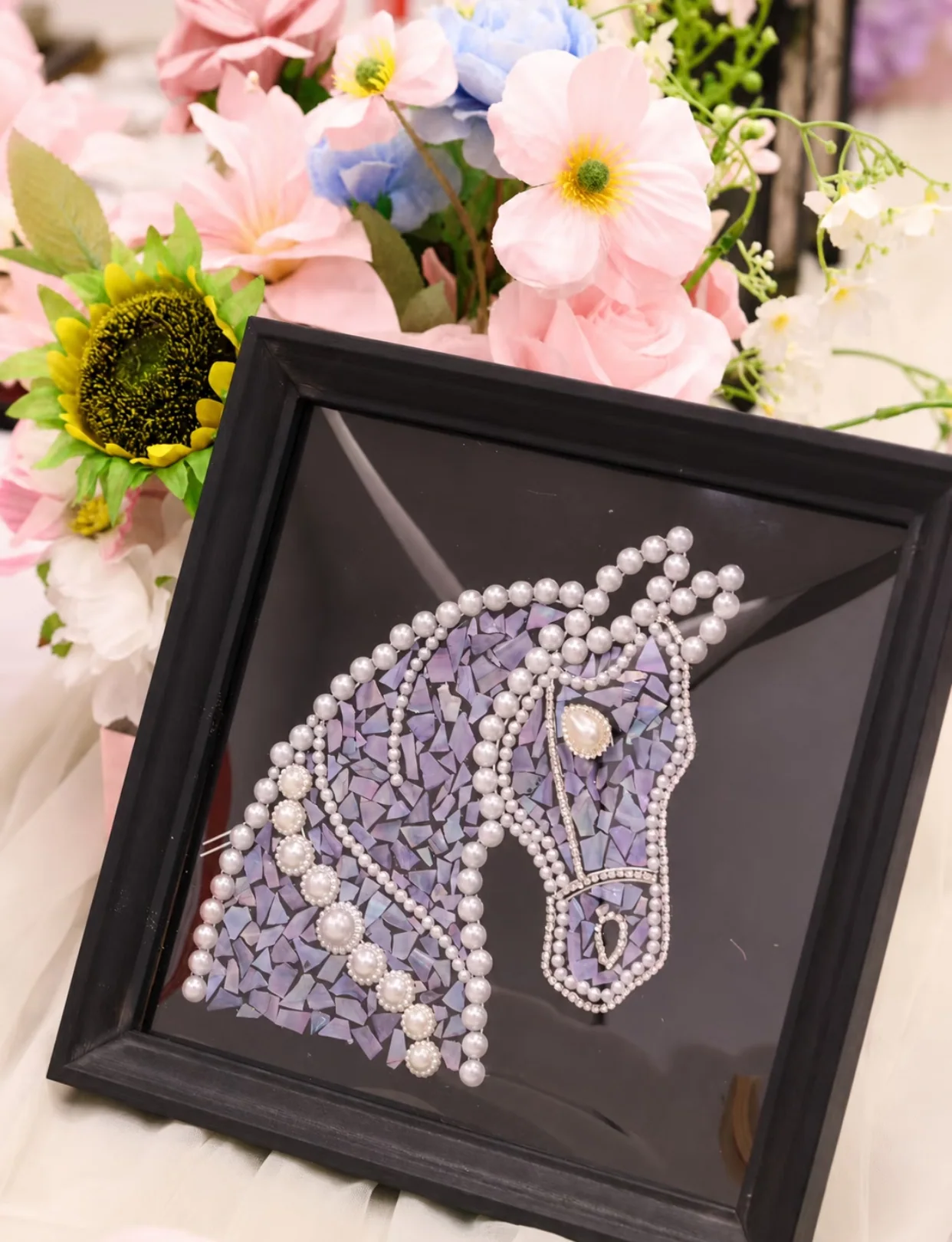
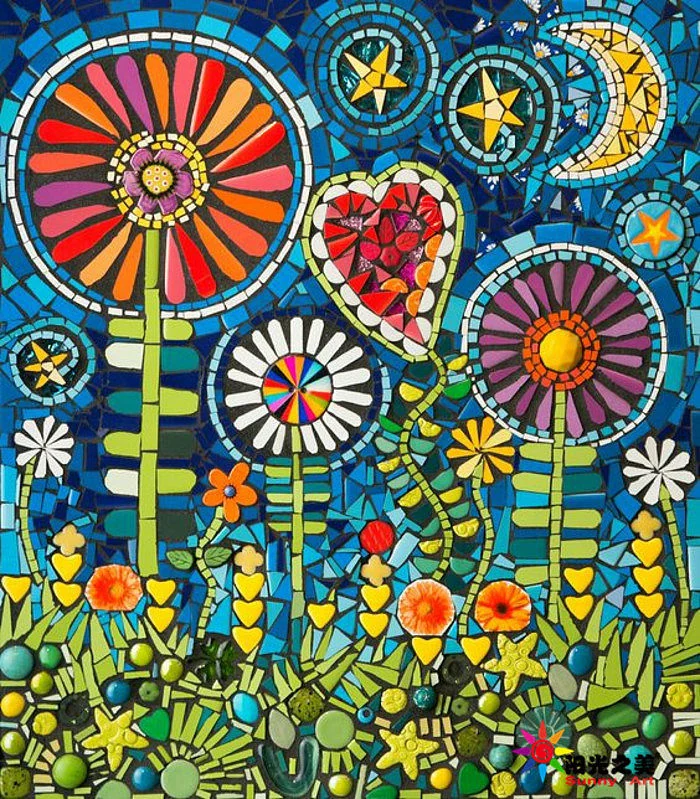
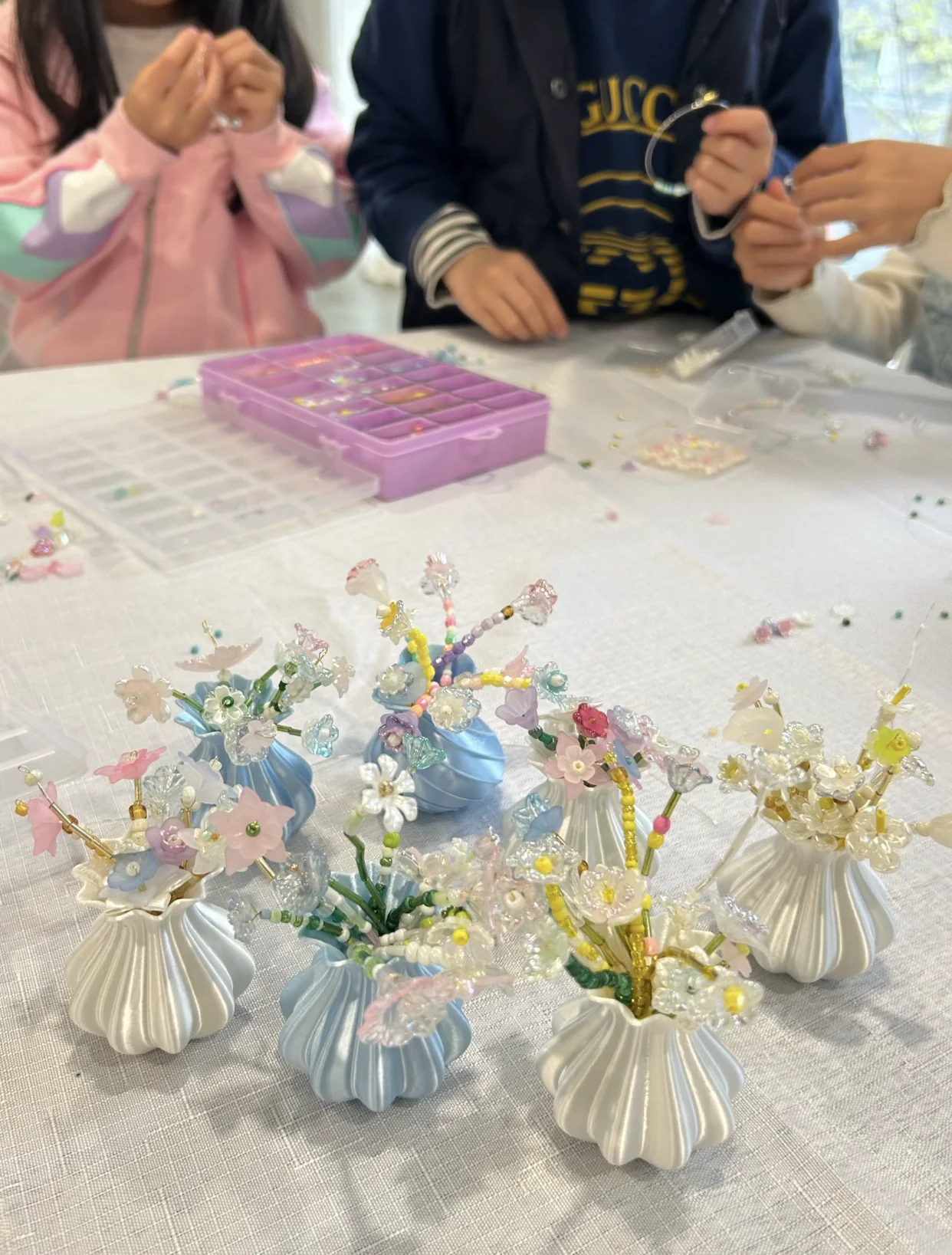
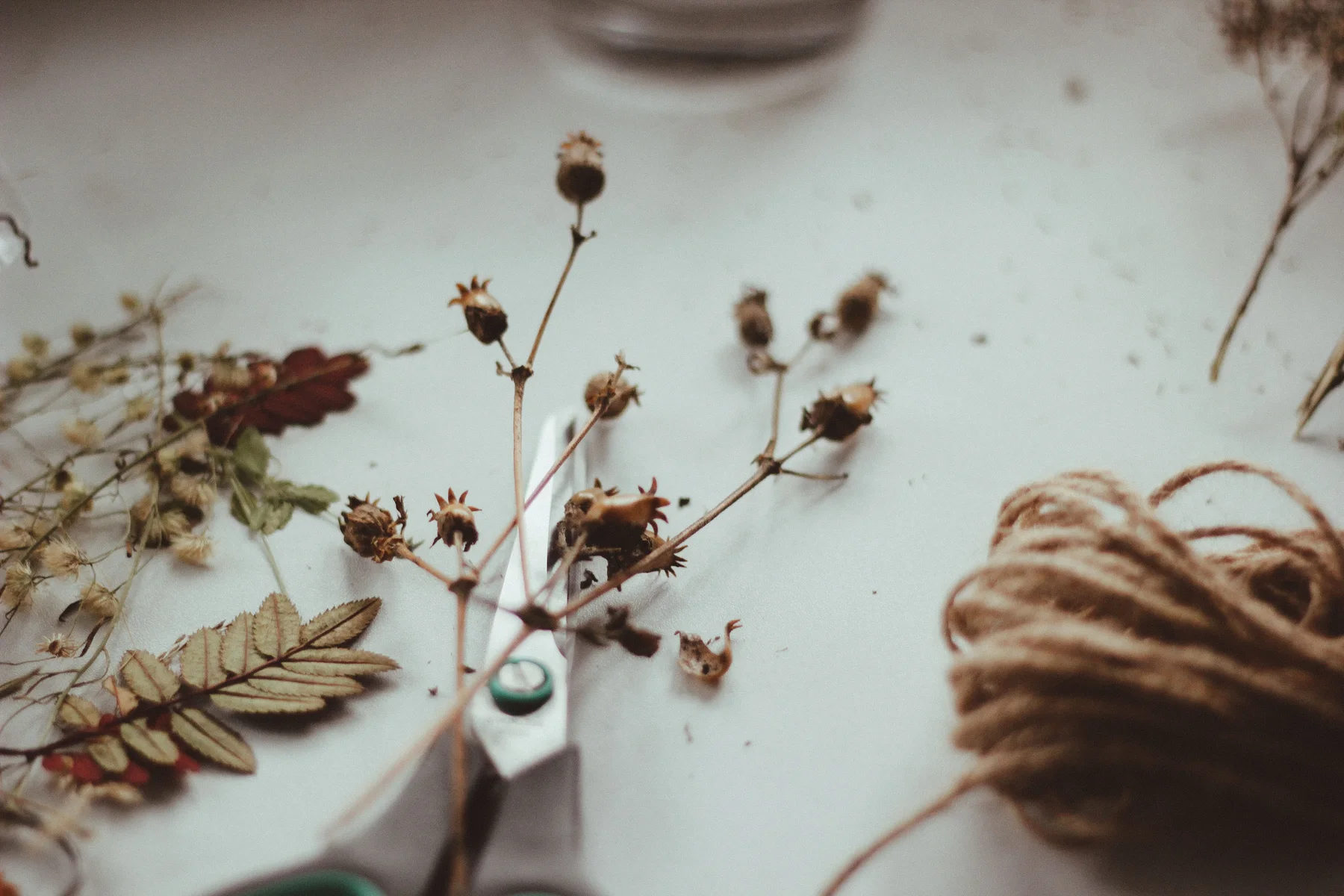
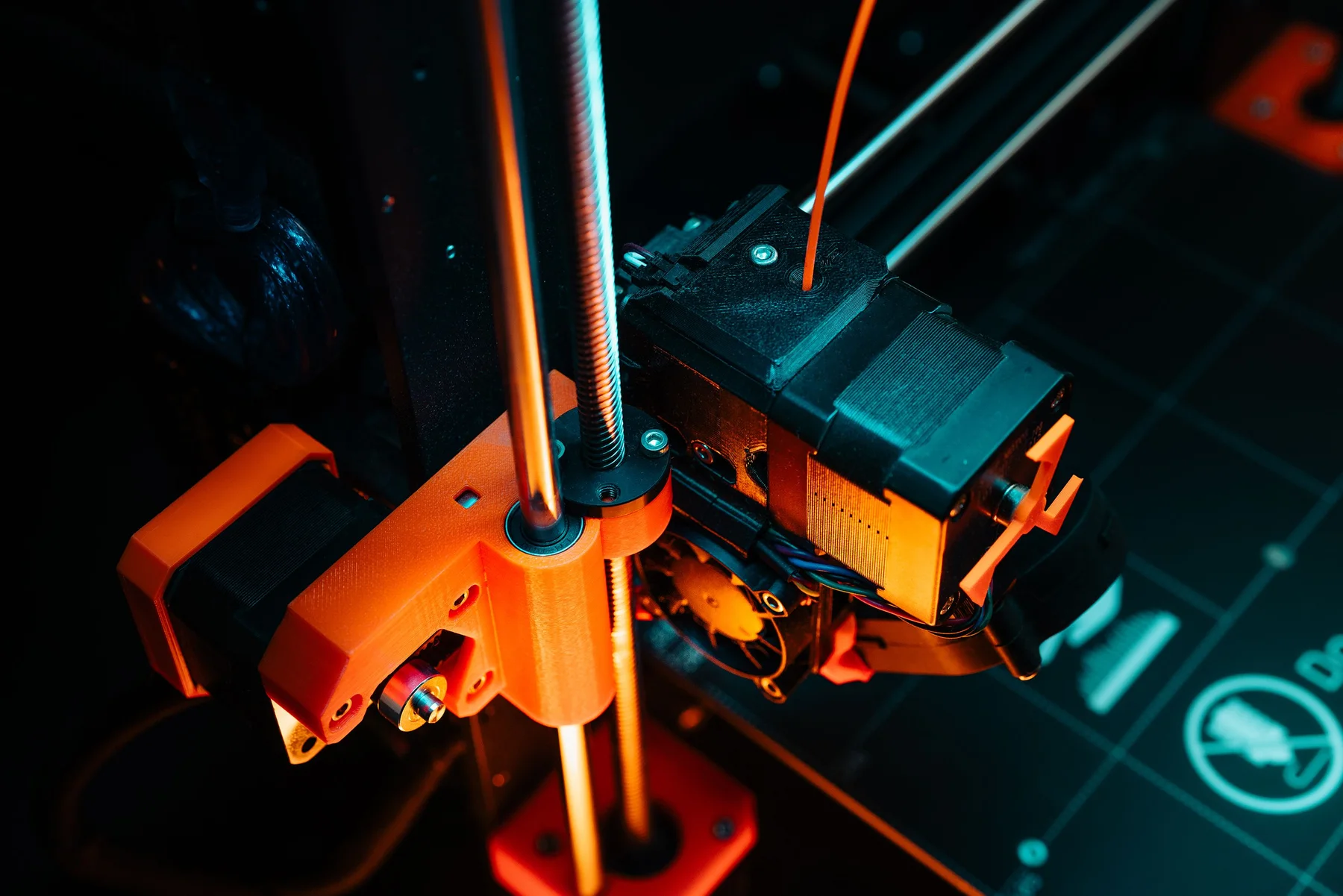
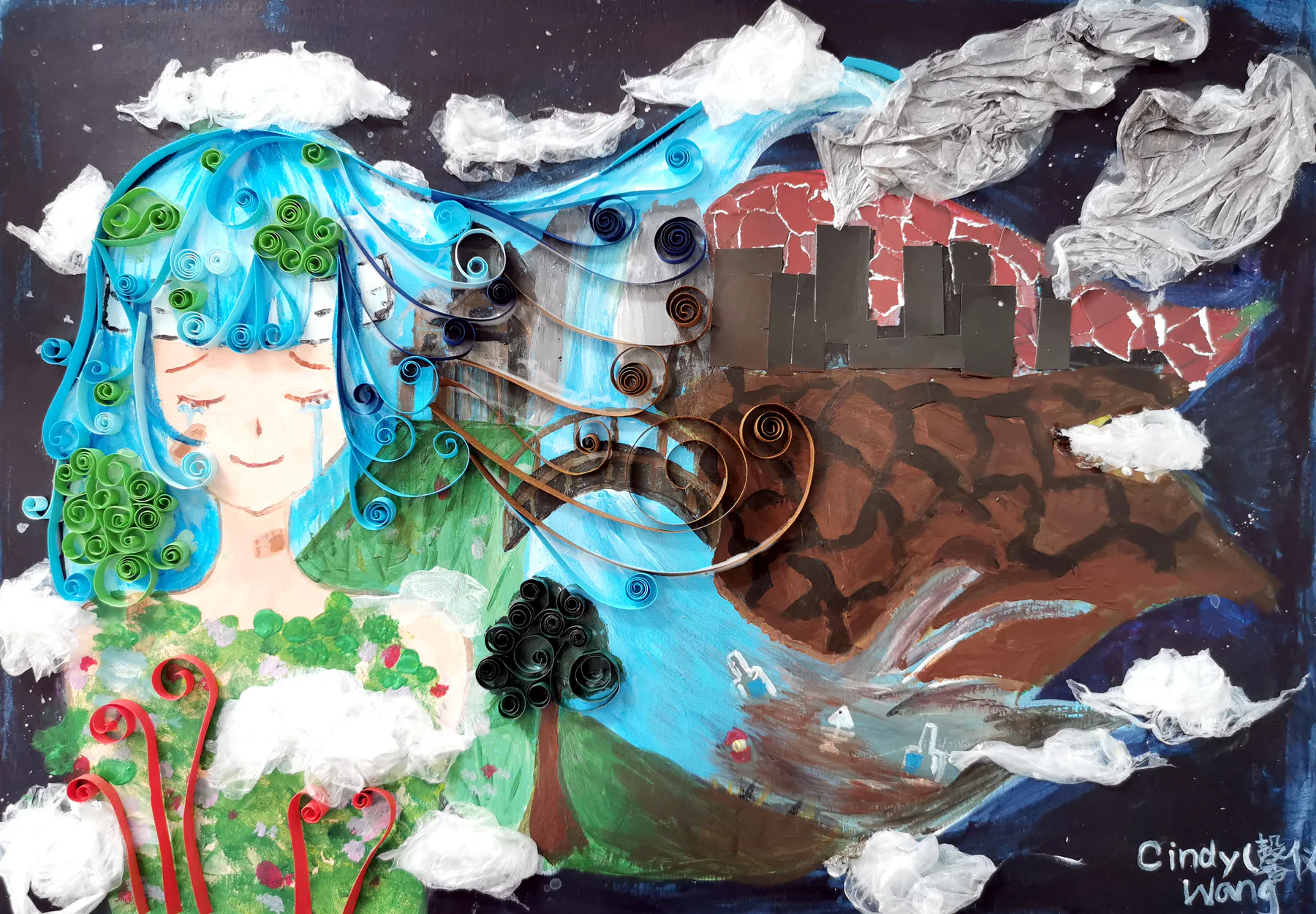
Textured relief paintingPearl collageMosaic collage artBeaded flowersDried-flower textures3D-printed forms
Enquiries open. Themes can include fuse beads, pearl and mosaic collage, textured painting, dried flowers and mixed materials with 3D-printed parts. The project, age suitability, group, time and fee are confirmed personally.
What can a workshop involve?
Projects may explore colour, pattern, texture, construction and how different materials work together. A theme or demonstration leads into material tests, making time and a finished piece to take pride in. Many workshop ideas can suit beginners. The studio confirms the right age and format for each group.
Past S&A experiences have also included gallery visits, outdoor observation and student displays. See the exhibition archive ↗
More ways to make.
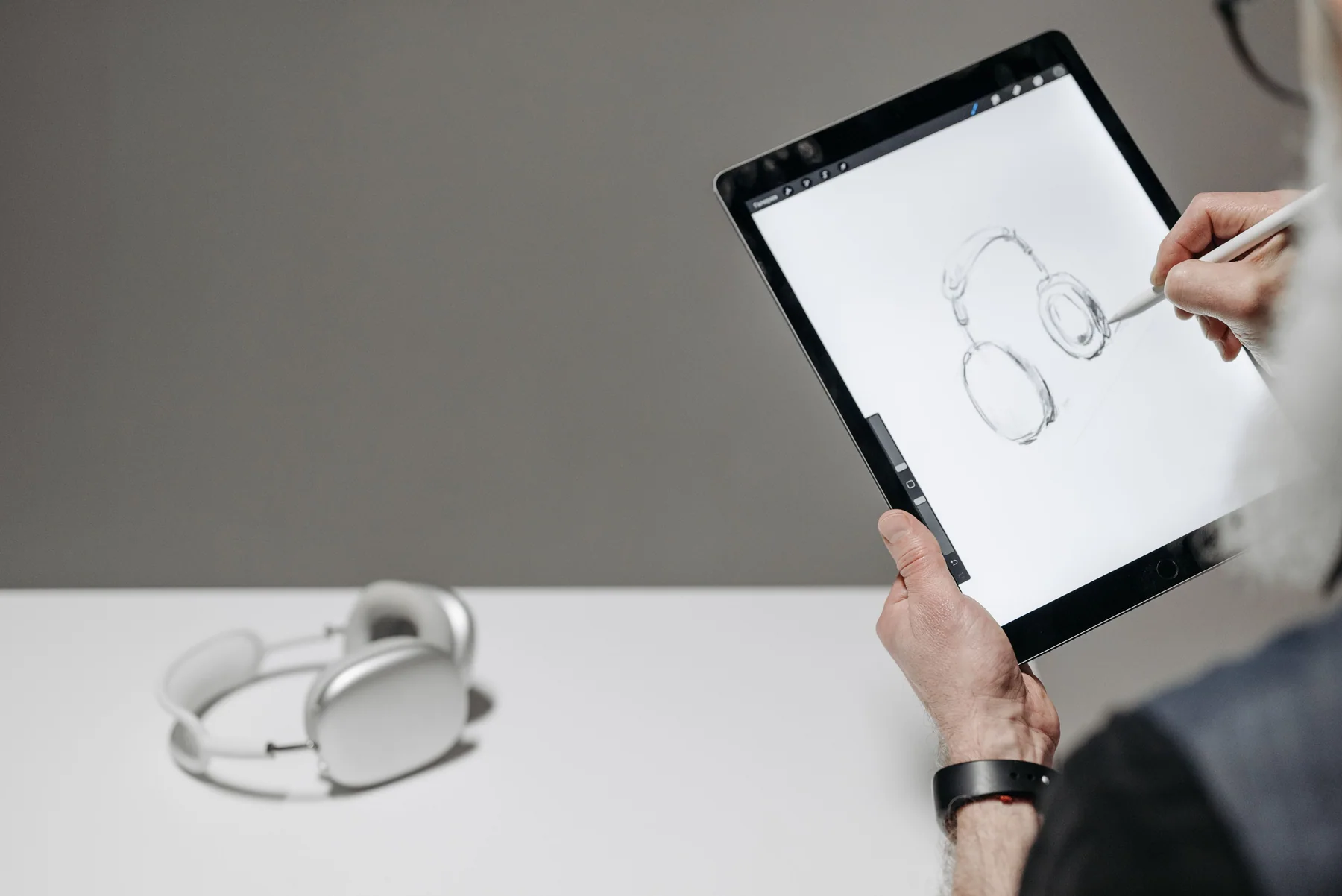
Art stays at the centre. Design, materials and digital tools offer other ways to develop an idea.
Typography, poster and layout in progress
DESIGN
Typography, posters and layout. Find a clear visual way to tell a story.
A parent or guardian should enquire for a child. Sending the form starts a conversation; your place is confirmed personally.
Good to know.
Which class suits my child?
Start with their age and what they enjoy making. Tell us whether they are new to art or already drawing and painting; we’ll suggest a suitable current option.
Do beginners need experience?
No experience is needed to enquire. We’ll discuss a starting point that suits the learner’s age, interests and confidence.
How do trial enquiries work?
Choose Trial request on the contact form. The studio will reply to discuss suitability and confirm the details. Sending the form does not reserve a place.
Are materials provided?
Materials depend on the project and format. We’ll confirm what is included and anything to bring when arranging your class or trial.
How can I check available times?
Use the enquiry form and mention your preferred location and days. The studio will confirm current times and availability directly.